Buddhist Theocracy
Rule by a Buddhist monastic hierarchy, with reincarnated leaders and monasteries dominating politics and land, traditional order and moral precepts as law, as in the Tibet of the Dalai Lama before 1950.
Home / Ideologies / Buddhist Theocracy
Rule by a Buddhist monastic hierarchy, with reincarnated leaders and monasteries dominating politics and land, traditional order and moral precepts as law, as in the Tibet of the Dalai Lama before 1950.
In one sentence
I want a society ruled by the sangha, with reincarnated lamas in command, the five precepts as law and the traditional order above elections.
Political axes
Leans further toward religious than 94% of the 248 ideologies in the catalog.
Of all the axes, Religion is where it stands furthest from the rest.
On Structure, it sits practically at the catalog median.
Here it shares common ground with most ideologies.
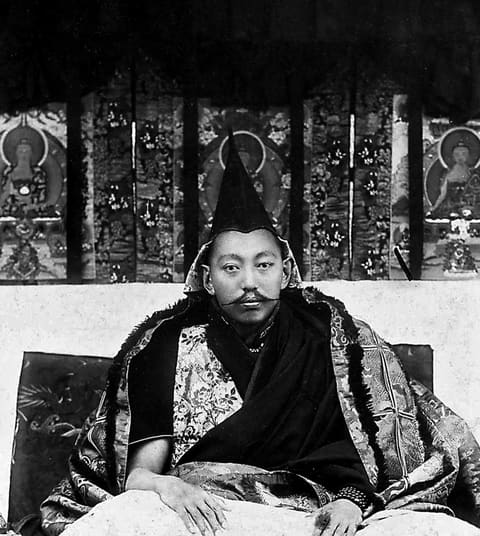
Head of theocratic Tibet, the 13th Dalai Lama expelled the Chinese and proclaimed independence in 1913, built an army, post and currency, backed down before the monasteries by closing the English school, and warned against communism in 1932.
Closest, by dimension
Other compatible profiles

The most distant
Reference country
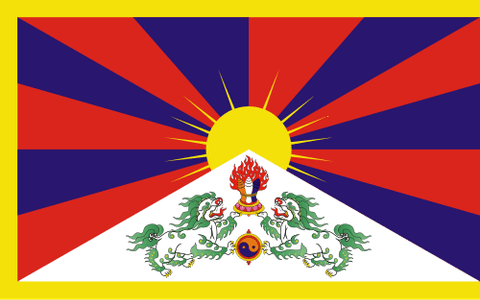
A de facto independent state between the fall of the Qing and the Chinese invasion, Tibet was a Buddhist theocracy ruled by the Dalai Lama, with monasteries and aristocracy owning the land, peasants bound to it and deliberate isolation from the modern world.
Other close countries
An Islamic emirate ruled by the Taliban since 2021, Afghanistan is governed by a clerical supreme leader who imposes a strict interpretation of sharia, bars women from education and work, and faces economic crisis and isolation.
Also close, by dimension
The most distant
A de facto independent state between the fall of the Qing and the Chinese invasion, Tibet was a Buddhist theocracy ruled by the Dalai Lama, with monasteries and aristocracy owning the land, peasants bound to it and deliberate isolation from the modern world.
Also close, by dimension
The most distant
Ideological proximity
Closest within Far-Right
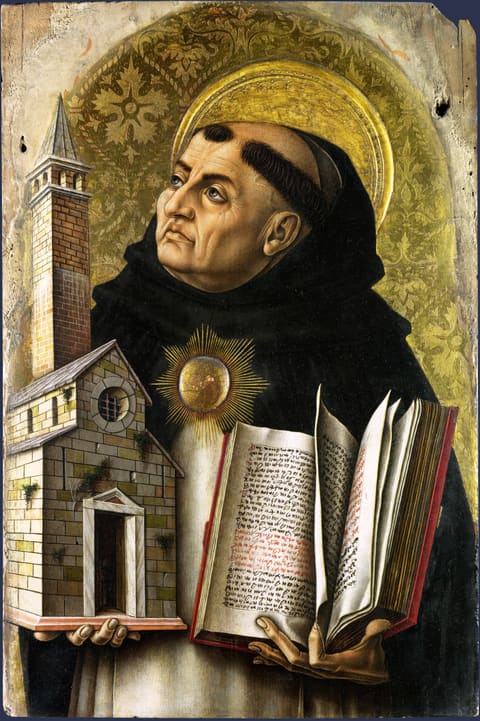
A neoreactionary current combining the thought of Thomas Aquinas with criticism of liberal democracy, egalitarianism, and progressivism. It grounds a hierarchical, traditional political order in natural law, objective morality, reason, and the common good, allowing for sovereign monarchical or centralized authority.
Doctrine of the rule of the best, entrusting power to a minority qualified by virtue, education or birth, rejecting political equality and majority rule as surrendering the city to incompetence.
Government ruled by the Torah and halakha, with rabbinical courts, judges or kings under religious authority, Judaism as the state religion and rejection of assimilation, inspired by the biblical kingdoms of Israel and Judah.
Closest in other spectrums
Doctrine that grounds political order in the ruler's virtue, ritual hierarchy and filial piety, favouring bureaucratic merit and moral education over coercive law or popular participation.
Social doctrine of the Catholic Church, combining traditionalist morality and defense of life with concern for social justice, subsidiarity and worker dignity, under the hierarchical authority of the papacy and canon law.
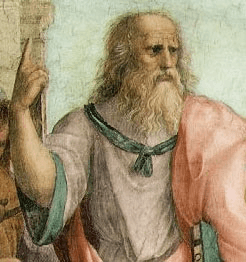
Socrates' dialectical method, examining beliefs through rational questioning and the pursuit of virtue, distrustful of mass politics and the rhetoric of demagogues, yet respectful of the city's rule of law.
The most distant ideology
Techno-CommunismAnarchist30%