Internationalist Socialism
Branch of socialism advocating the global unity of working people against capitalism, rejecting bourgeois nationalism, and defending international working-class solidarity.
Home / Ideologies / Internationalist Socialism
Branch of socialism advocating the global unity of working people against capitalism, rejecting bourgeois nationalism, and defending international working-class solidarity.
In one sentence
I want the global unity of working people against capitalism, overcoming national borders through collective ownership and cooperative planning.
Political axes
Leans further toward multiculturalism than 99% of the 260 ideologies in the catalog.
Of all the axes, Immigration is where it stands furthest from the rest.
On Power, it sits practically at the catalog median.
Here it shares common ground with most ideologies.
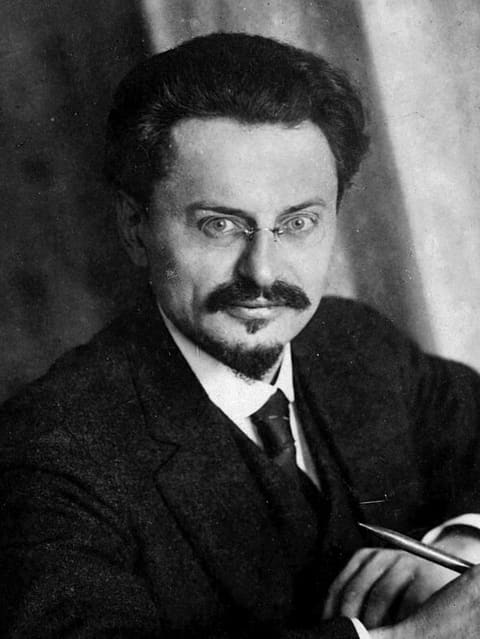
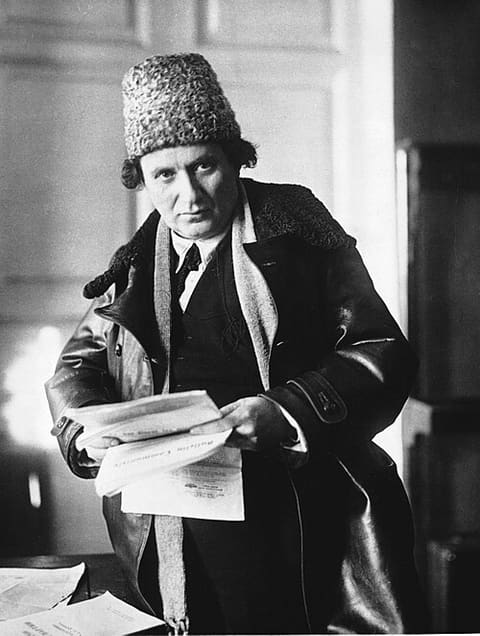
Organizer of the Red Army, Trotsky championed permanent revolution and internationalism, becoming the main left-wing opponent of Stalinist bureaucratization until he was exiled and assassinated in Mexico.
Closest, by dimension
Other compatible profiles

The most distant
Reference country

The world's first socialist state, the USSR was a single-party federation with a planned economy and centralized power, becoming a global superpower and the pole of communism during the Cold War.
Other close countries

A South American presidential republic, Uruguay is recognized for solid democracy, strong secularism, broad social rights, and progressive policies, pairing institutional stability with a market economy.
Also close, by dimension



The most distant

Under Allende's Popular Unity, Chile attempted democratic socialism through copper and bank nationalization, agrarian reform, and economic planning until the 1973 military coup.
Also close, by dimension

The most distant
Ideological proximity
Closest within Radical Left
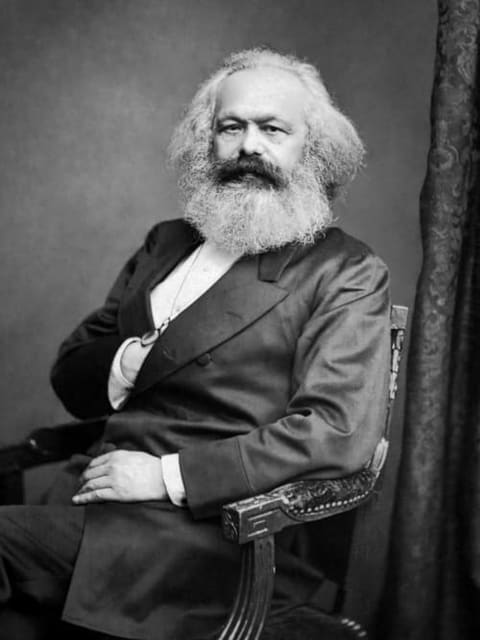
Marx's original doctrine, analyzing history as class struggle and predicting capitalism's overcoming through proletarian revolution, with abolition of private ownership of the means of production and strong criticism of religion.
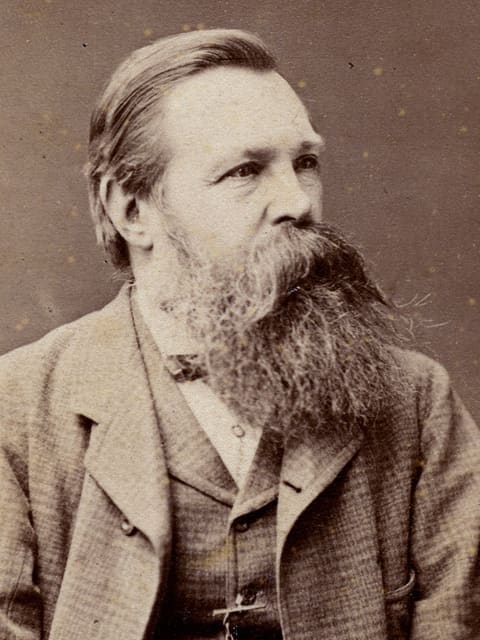
Final stage theorized by Marx and Engels: a classless, stateless society without private ownership of the means of production, with collective production and distribution according to need, superseding capitalism and the transitional socialist phase.
Current of Trotsky, co-founder of the Soviet state and the Red Army, which defends permanent revolution, a vanguard party and the dictatorship of the proletariat, criticizing Stalinist bureaucracy without renouncing one-party rule.
Closest in other spectrums
Broad doctrine that advocates social or collective ownership of the means of production and economic planning to overcome capitalist exploitation, accepting both the revolutionary and the reformist road to get there.
Model that combines socialist planning with scientific management of the economy, entrusting expert committees, rather than elections or party competition, with the rational organization of production and the egalitarian distribution of society's resources.
Socialist current born of national liberation struggles in Africa, Asia, and Latin America, defending economic sovereignty, resource nationalization, non-alignment, and solidarity among peoples of the Global South against imperialism.
The most distant ideology
FeudalismFar-Right31%