Feudalism
A medieval order based on personal bonds of vassalage between lord and vassals, with land granted as fiefs, a hereditary warrior nobility, serfs bound to the land, the Church as moral authority, and power fragmented among local lords.
Home / Ideologies / Feudalism
A medieval order based on personal bonds of vassalage between lord and vassals, with land granted as fiefs, a hereditary warrior nobility, serfs bound to the land, the Church as moral authority, and power fragmented among local lords.
In one sentence
I want lords and vassals bound by fealty, the Church at the center, and each in their estate: those who pray, fight, or till.
Political axes
Leans further toward religious than 98% of the 248 ideologies in the catalog.
Of all the axes, Religion is where it stands furthest from the rest.
On Trade, it sits close to the catalog median.
Here it shares common ground with most ideologies.
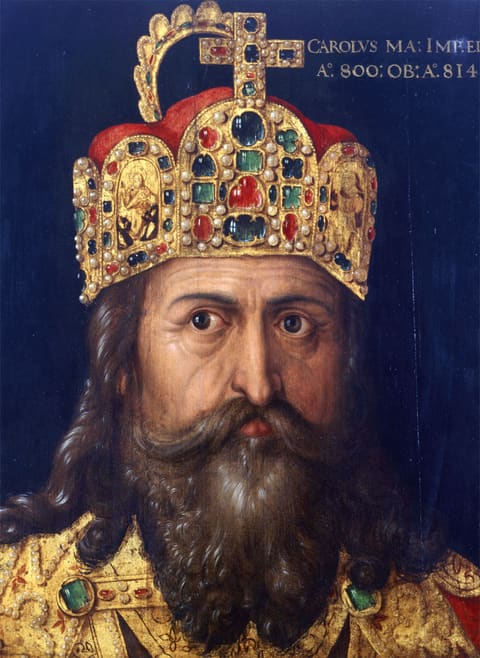
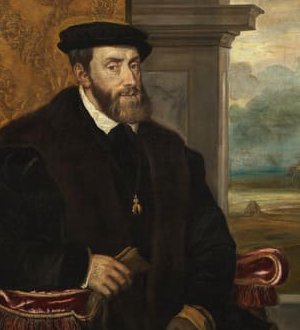
King of the Franks and emperor, Charlemagne united military expansion, Christianization, administrative reform, and cultural patronage, becoming a symbol of imperial Christian monarchy and the medieval European order.
Closest, by dimension
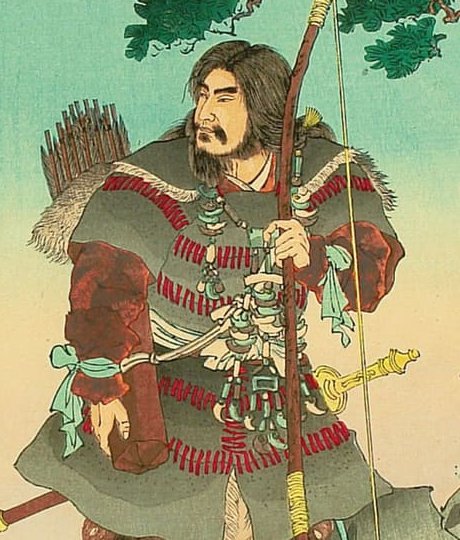
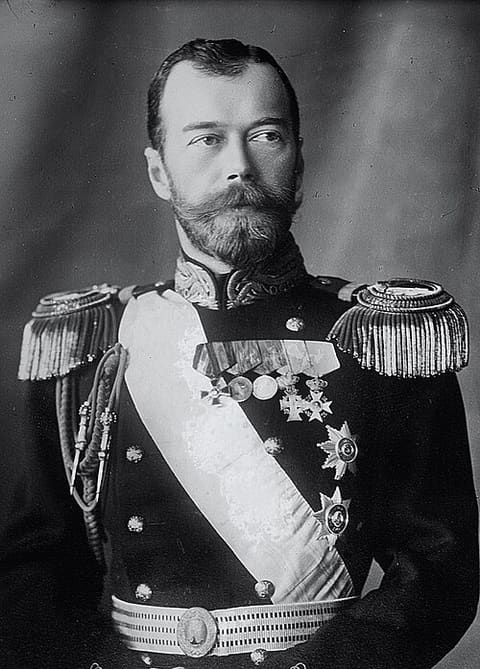
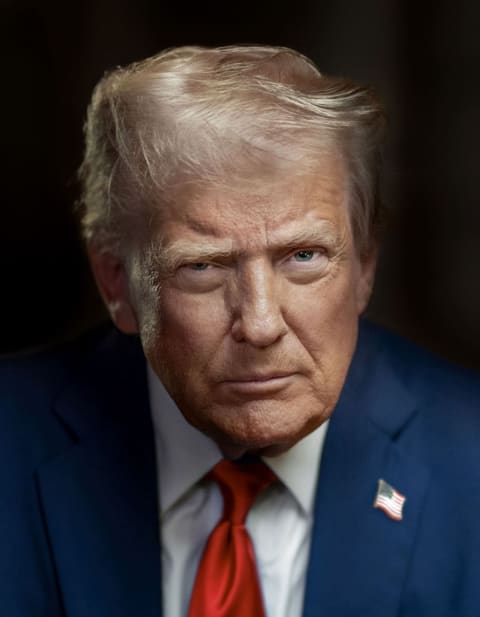
Other compatible profiles

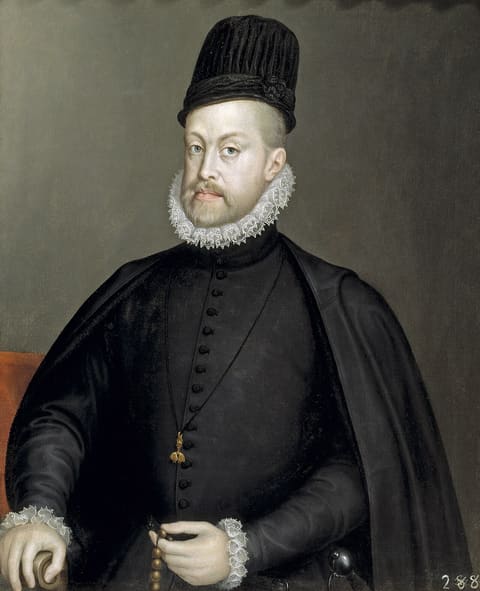
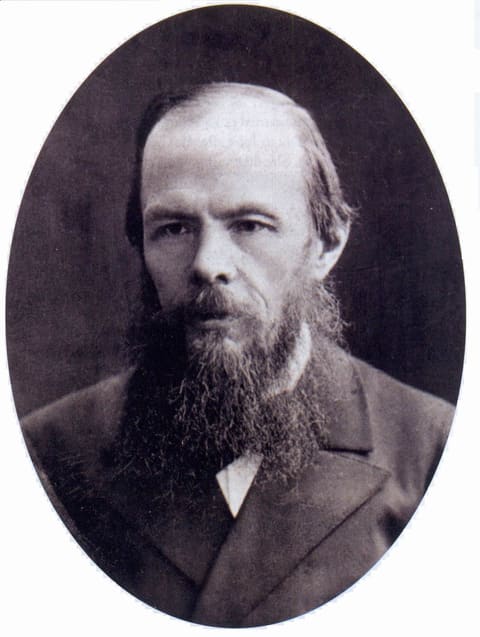
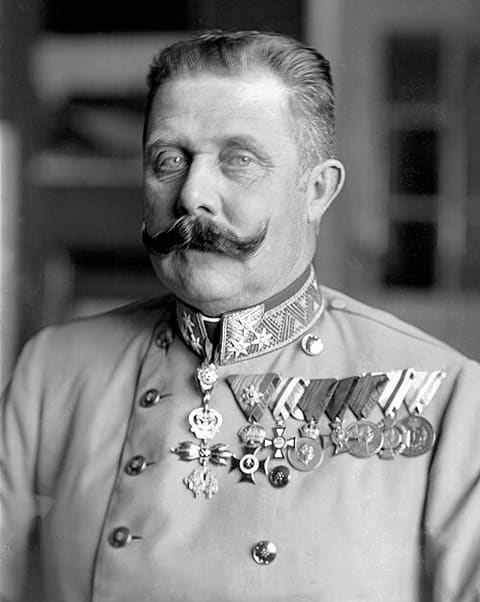
The most distant
Reference country
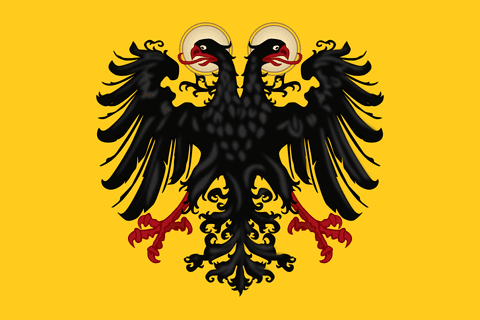
A federation of Central European territories, the Holy Roman Empire gathered principalities and cities under an elected emperor and strong Church influence, marked by fragmented power and the autonomy of its members.
Other close countries
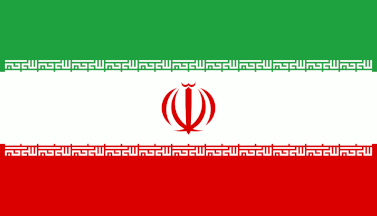
A theocratic Islamic republic, Iran combines elected institutions with the supreme authority of the clerics, under the rule of the religious jurist, a state-controlled economy, and strong regional projection in the Middle East.
Also close, by dimension
The most distant
A federation of Central European territories, the Holy Roman Empire gathered principalities and cities under an elected emperor and strong Church influence, marked by fragmented power and the autonomy of its members.
Also close, by dimension
The most distant
Ideological proximity
Closest within Far-Right
A Spanish current of counter-revolutionary traditionalism, born in the 19th-century Carlist Wars under the motto God, Fatherland, Fueros and King, advocating a legitimist Catholic monarchy, religious unity, regional fueros and an organic society against liberalism.
A neoreactionary current combining the thought of Thomas Aquinas with criticism of liberal democracy, egalitarianism, and progressivism. It grounds a hierarchical, traditional political order in natural law, objective morality, reason, and the common good, allowing for sovereign monarchical or centralized authority.
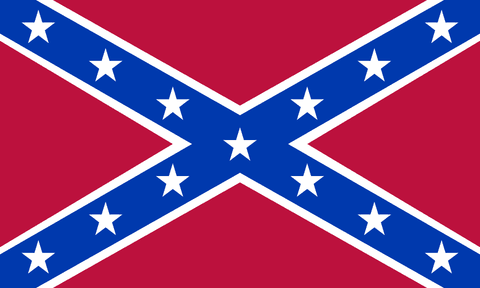
Ideology of the slaveholding South that sustained the Confederacy, joining states' rights and secession, racial hierarchy and slavery, a patriarchal Christian agrarian society, free trade and militarism.
Closest in other spectrums
Aristotle's political philosophy, defending a mixed constitution of monarchical, aristocratic and popular elements to avoid both tyranny and radical democracy, reserving full citizenship for those with virtue, property and the education to deliberate.
Russian geopolitical current that sees Eurasia as a distinct civilization and proposes a Moscow-led continental bloc, with regional autonomy and shared strategic command, against Atlanticism and US hegemony.
Anti-capitalist wing of National Socialism, linked to Gregor Strasser, which emphasized a mass nationalist socialism, nationalization, and social revolution within the movement, later crushed by Hitler.
The most distant ideology
Left AccelerationismLeft24%