Social Fascism
A synthesis of fascism and social democracy: nationalism, a strong state and authoritarian leadership alongside public healthcare and pensions, labor rights and redistribution. The Comintern used the term against social democrats.
Home / Ideologies / Social Fascism
A synthesis of fascism and social democracy: nationalism, a strong state and authoritarian leadership alongside public healthcare and pensions, labor rights and redistribution. The Comintern used the term against social democrats.
In one sentence
I want a solidary nation under a strong leader and party, with state-guaranteed healthcare, pensions and unions, and a planned mixed economy.
Political axes
Leans further toward autocracy than 70% of the 268 ideologies in the catalog.
Of all the axes, Representation is where it stands furthest from the rest.
On Intervention, it sits practically at the catalog median.
Here it shares common ground with most ideologies.
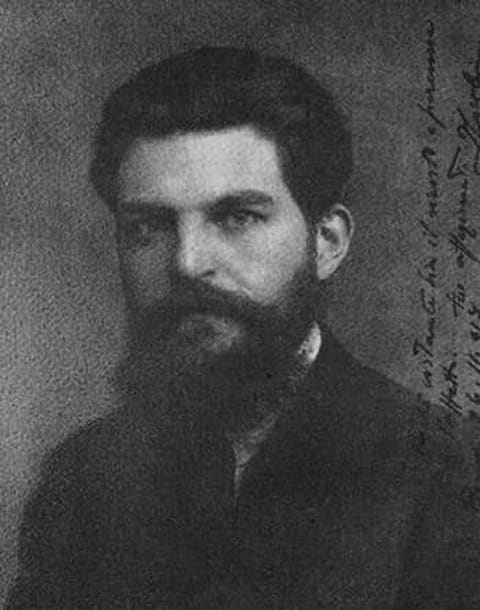
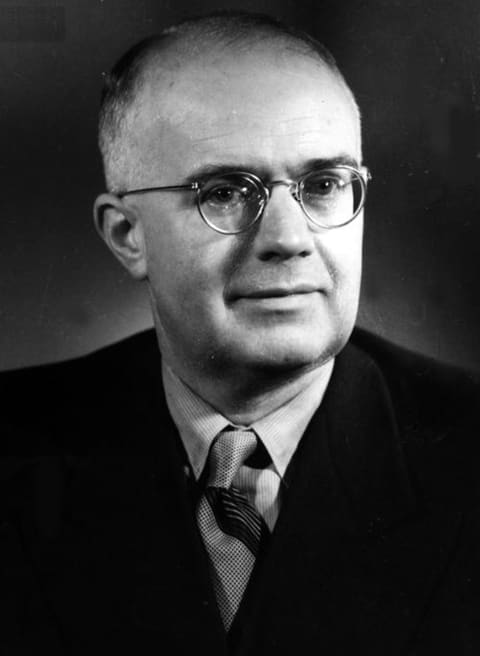
A cofounder of the Communist Party of Italy, he later moved toward Mussolini. In the Italian Social Republic, he promoted the socialization of enterprises and workers’ participation while retaining his anticapitalist rhetoric.
Closest, by dimension
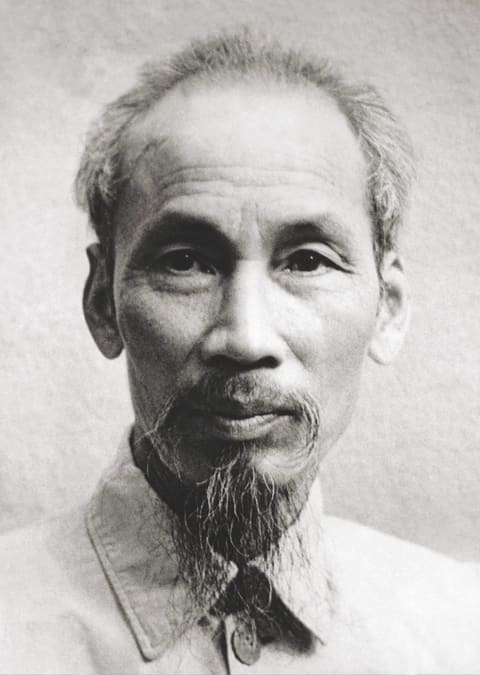
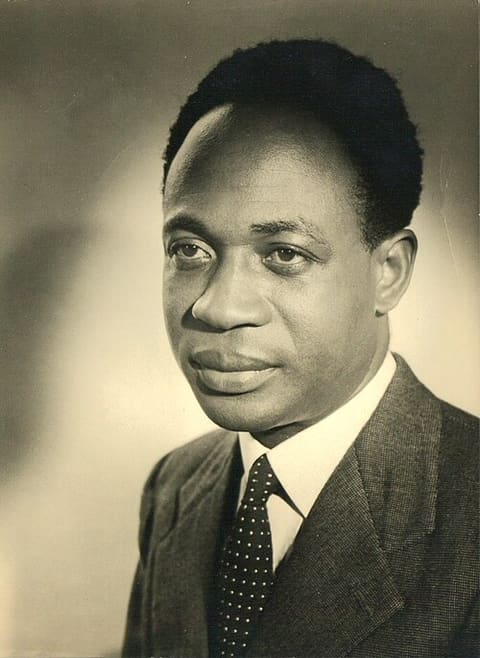
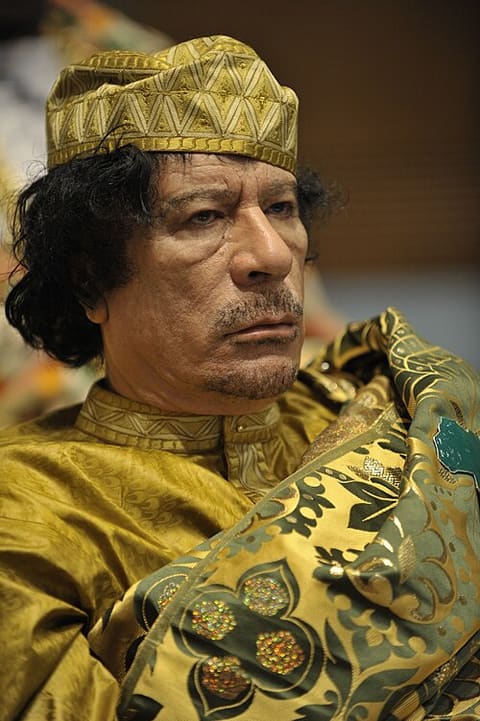
Other compatible profiles


The most distant
Reference country
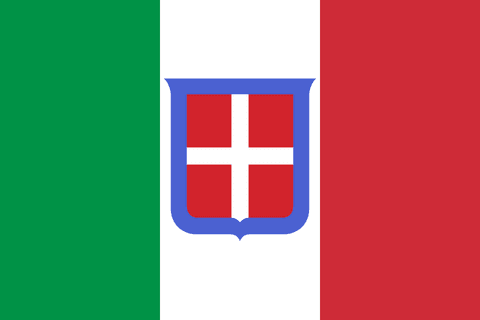
The birthplace of fascism, Mussolini's Italy was a totalitarian dictatorship that fused nationalism, a cult of the leader, a corporatist state, and militarism, suppressing opposition and seeking imperial expansion by force.
Other close countries
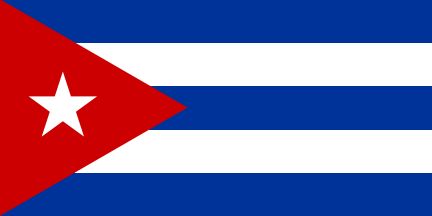
A single-party socialist state in the Caribbean, Cuba maintains a planned economy, strong state control, and universal public services, with power centralized since the revolution led by Fidel Castro in 1959.
Also close, by dimension
The most distant
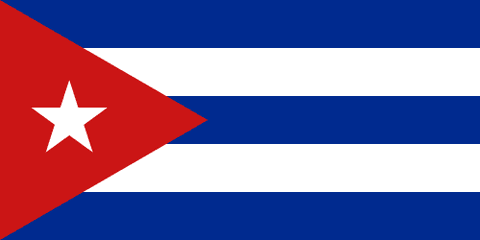
Ruled by Fidel Castro from 1959 to 2008, Cuba became a one-party socialist state, with a nationalized economy, universal health and education, a Soviet alliance, repression of dissidents, mass exile and confrontation with the United States, from the embargo to the missile crisis.
Also close, by dimension
The most distant
Ideological proximity
Closest within Third Position
Doctrine of Mustafa Kemal Atatürk that founded modern Turkey on six arrows: republicanism, nationalism, populism, statism, laicism and reformism, imposing Westernization and state control of religion from above.
An Arab current of state socialism combining pan-Arab nationalism, a vanguard party, planning, land reform and control of strategic sectors, advocating Arab unity, secularism and independence from imperialism.
Current that joins a state-run socialist economy and a strong party with patriotism, the traditional family, religion as national heritage and rejection of cultural progressivism, seeing identity politics as a liberal distraction from class struggle.
Closest in other spectrums
Model of the Communist Party of Vietnam uniting Ho Chi Minh Thought, anticolonial national liberation and the 1986 Đổi Mới: single-party rule, a socialist-oriented market economy, a dominant state sector and openness to global trade.
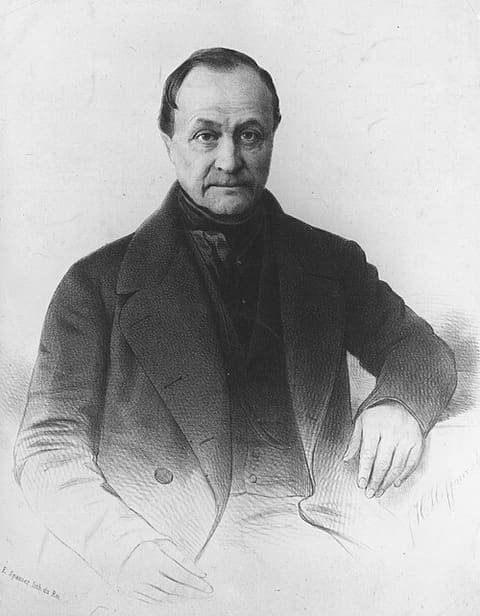
Current inspired by Auguste Comte that trusts science and reason to organize society, defending order, progress, and technical administration guided by knowledge in place of metaphysics and tradition.
21st-century doctrine of the CPC associated with Xi Jinping. It combines centralized Party leadership and socialist modernization, advocating national rejuvenation, predominant public ownership, and a socialist market with private enterprise and technological innovation.
The most distant ideology
Progressive LibertarianismLibertarian33%