Home / Countries / Second Spanish Republic

Secular parliamentary republic in conflictHistorical regime · 1933–1939

Second Spanish Republic

Marked by the conservative biennium, the Popular Front victory, and the Spanish Civil War, the Republic defended secularism and parliamentary democracy with Soviet support and international brigades against Francoist fascism.

Predominant spectrum
Left
Closest ideology
Democratic Confederalism
Closest personality
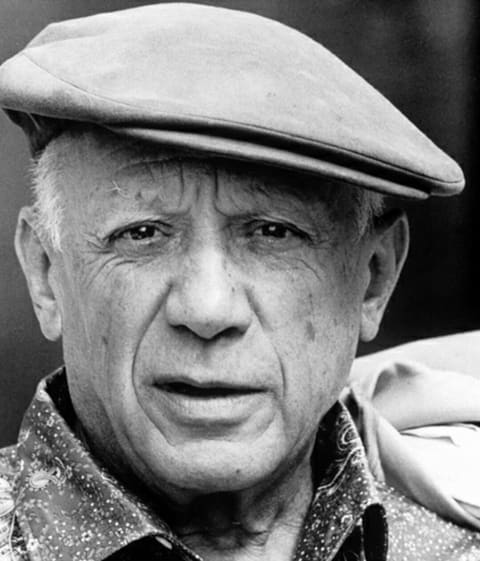
Pablo Picasso
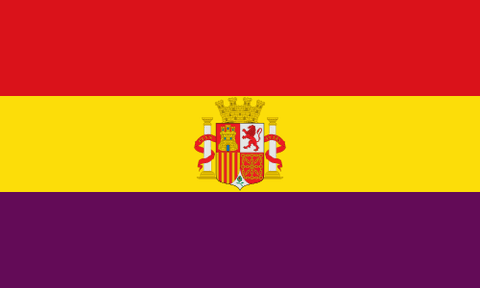
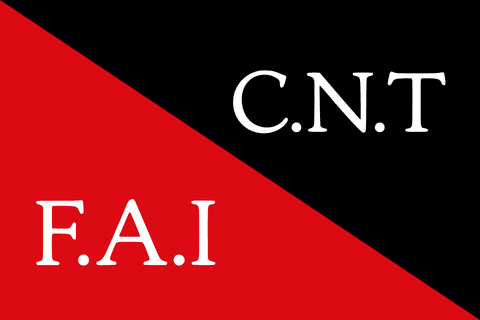
Flag: Second Spanish Republic

Political axes

Profile across the 12 axes

  • Structure

    Balanced
    Federal53%
    Unitary47%
  • Representation

    Strong · Democracy
    Democracy86%
    Autocracy14%
  • Power

    Leaning · Security
    Security60%
    Liberty40%
  • Immigration

    Strong · Multiculturalism
    Assimilation19%
    Multiculturalism81%
  • Diplomacy

    Leaning · Pacifist
    Militarist29%
    Pacifist71%
  • Intervention

    Balanced
    Non-interventionist52%
    Nationalist48%
  • Economy

    Strong · Public
    Public77%
    Private23%
  • Control

    Strong · Planning
    Planning79%
    Free market21%
  • Trade

    Leaning · Protectionism
    Protectionism71%
    Globalism30%
  • Religion

    Very strong · Irreligious
    Irreligious93%
    Religious7%
  • Morality

    Strong · Progressive
    Progressive73%
    Traditionalist27%
  • Technology

    Leaning · Technology
    Technology62%
    Biology38%

What sets Second Spanish Republic apart

Most unusual position

Religion

Leans further toward irreligious than 98% of the 292 countries and regimes in the catalog.

Country median 33Second Spanish Republic 93

Of all the axes, Religion is where it stands furthest from the rest.

Most common position

Intervention

On Intervention, it sits practically at the catalog median.

Country median 49Second Spanish Republic 52

Here it shares common ground with most countries.