Home / Countries / Polish-Lithuanian Commonwealth

Noble republic with an elected kingHistorical regime · 1569–1795

Polish-Lithuanian Commonwealth

A union of Poland and Lithuania from 1569 to 1795, the Polish-Lithuanian Commonwealth was a noble republic with an elected king, a Sejm and the liberum veto, unusual religious tolerance and a vast multiethnic territory, until partitioned by Russia, Prussia and Austria.

Predominant spectrum
Center
Closest ideology
Confederal Republicanism
Closest personality
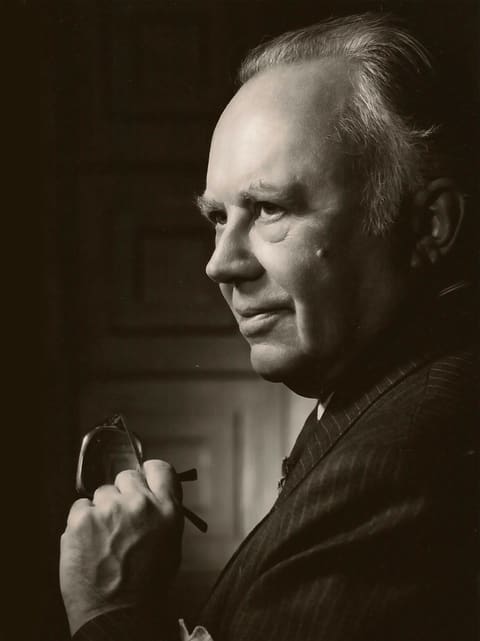
Russell Kirk
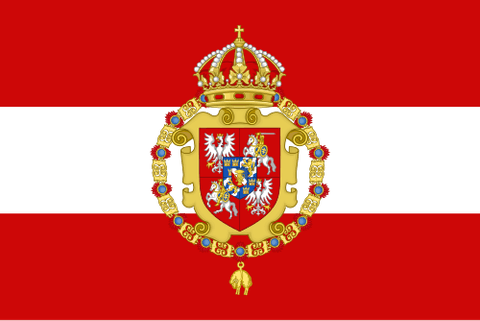
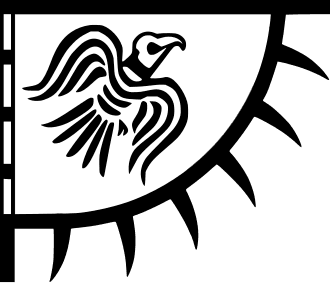
Flag: Polish-Lithuanian Commonwealth

Political axes

Profile across the 12 axes

  • Structure

    Strong · Federal
    Federal78%
    Unitary22%
  • Representation

    Strong · Democracy
    Democracy82%
    Autocracy18%
  • Power

    Leaning · Liberty
    Security40%
    Liberty60%
  • Immigration

    Leaning · Multiculturalism
    Assimilation31%
    Multiculturalism69%
  • Diplomacy

    Balanced
    Militarist47%
    Pacifist53%
  • Intervention

    Balanced
    Non-interventionist55%
    Nationalist45%
  • Economy

    Strong · Private
    Public22%
    Private78%
  • Control

    Strong · Free market
    Planning24%
    Free market76%
  • Trade

    Strong · Globalism
    Protectionism24%
    Globalism76%
  • Religion

    Strong · Religious
    Irreligious22%
    Religious78%
  • Morality

    Very strong · Traditionalist
    Progressive10%
    Traditionalist90%
  • Technology

    Leaning · Biology
    Technology32%
    Biology68%

What sets Polish-Lithuanian Commonwealth apart

Most unusual position

Structure

Leans further toward federal than 90% of the 256 countries and regimes in the catalog.

Country median 27Polish-Lithuanian Commonwealth 78

Of all the axes, Structure is where it stands furthest from the rest.

Most common position

Diplomacy

On Diplomacy, it sits practically at the catalog median.

Country median 51Polish-Lithuanian Commonwealth 47

Here it shares common ground with most countries.