Anarcho-Monarchism
Syncretic doctrine that proposes the abolition of the state while retaining a traditional monarch without coercive power, serving as a symbol of unity, voluntary arbiter, and guardian of order against tyranny.
Home / Ideologies / Anarcho-Monarchism
Syncretic doctrine that proposes the abolition of the state while retaining a traditional monarch without coercive power, serving as a symbol of unity, voluntary arbiter, and guardian of order against tyranny.
In one sentence
I want the abolition of the state and a voluntary order with private property and free communities, under the moral arbitration of a traditional king.
Political axes
Leans further toward free market than 98% of the 263 ideologies in the catalog.
Of all the axes, Control is where it stands furthest from the rest.
On Representation, it sits close to the catalog median.
Here it shares common ground with most ideologies.
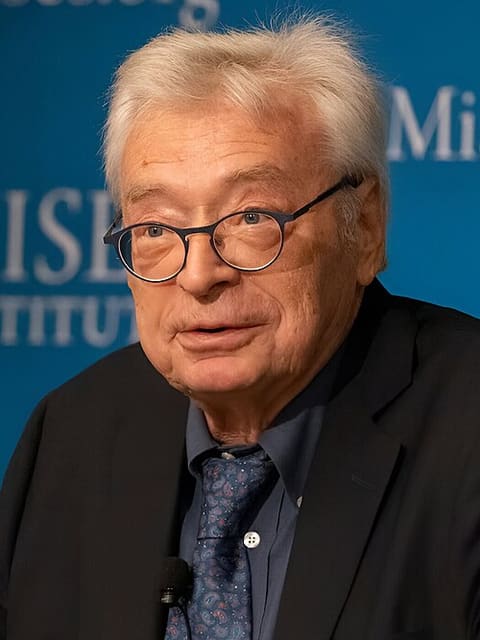
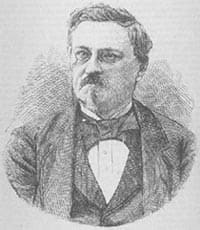
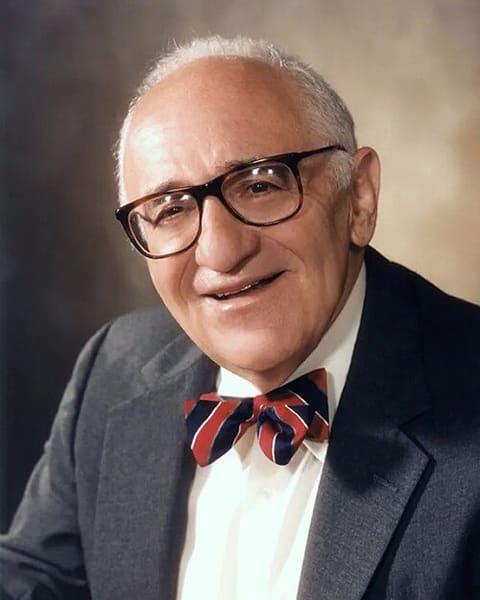
A German economist, Hoppe radicalized anarcho-capitalism, defending absolute private property and criticizing democracy as a system that erodes freedom, proposing social orders based on voluntary contract.
Closest, by dimension
Other compatible profiles
The most distant
Reference country
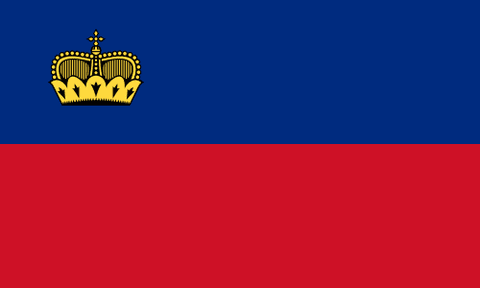
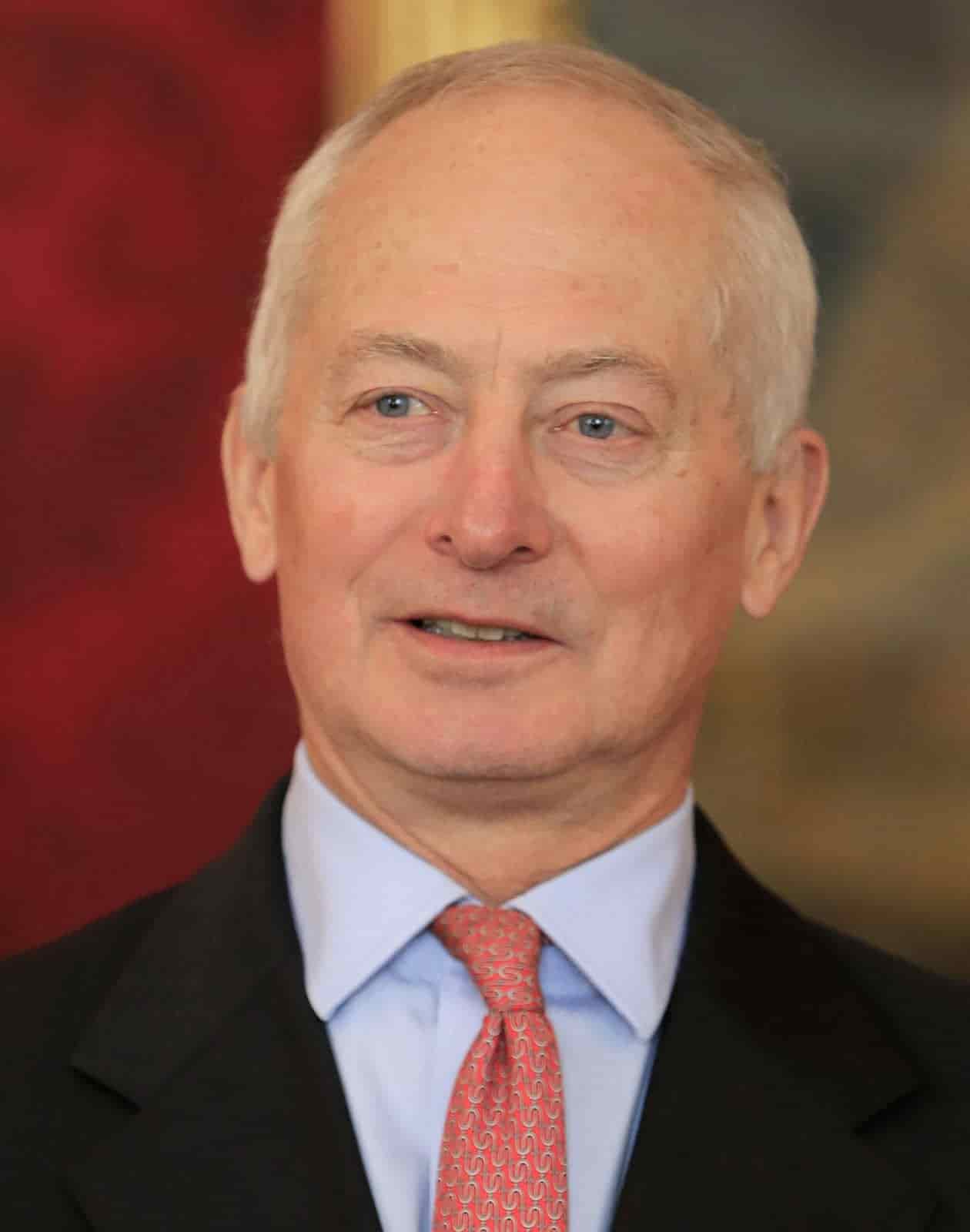
A tiny European principality, Liechtenstein is a prosperous constitutional monarchy, with strong local autonomy, a liberal economy based on finance and industry, and one of the highest income levels per capita in the world.
Other close countries
A tiny European principality, Liechtenstein is a prosperous constitutional monarchy, with strong local autonomy, a liberal economy based on finance and industry, and one of the highest income levels per capita in the world.
Also close, by dimension
The most distant
A rare society without a central state, medieval Iceland was organized by local chieftains and an assembly, the Althing, settling disputes through laws and private agreements in a decentralized system close to anarchy.
Also close, by dimension
The most distant
Ideological proximity
Closest within Libertarian
Current that rejects the state but preserves tradition, religion, and community values, defending a spontaneous social order based on customs, family, and natural authority instead of central political power.
Branch that combines radical free markets with traditional, conservative cultural values, defending economic freedom, property, and autonomous local communities against the state and progressivism.
Current tied to Hans-Hermann Hoppe that joins anarcho-capitalism, absolute private property and criticism of democracy, defending social orders based on contract, voluntary association and private authority.
Closest in other spectrums
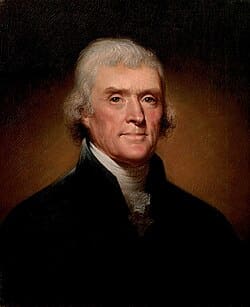
Republican tradition that idealizes the small landowning farmer as the basis of civic virtue and liberty, advocating wide distribution of land, limited and decentralized government, and distrust of banks, public debt, industry and large cities.
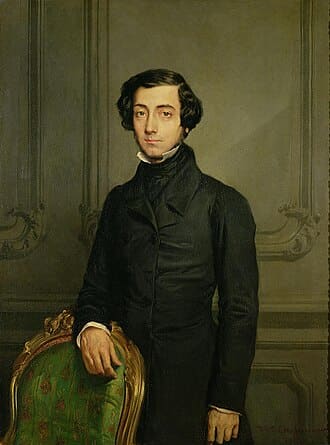
Tradition of republics made of sovereign provinces or cantons, such as the Dutch Republic and the old Swiss Confederacy, with local self-government, open trade, armed neutrality and deep-rooted Protestant faith.
Doctrine that organizes the state through a constitutional division of power between a central government and autonomous regional units, such as cantons or states, with their own competencies, independent courts, and mutual checks against excessive concentration of power.
The most distant ideology
Techno-SocialismRadical Left25%