Council Communism
An anti-Leninist Marxist current of Pannekoek, Gorter and Mattick, which holds that workers themselves should run production and power through workers' councils, rejecting the vanguard party, the state and parliamentarism.
Home / Ideologies / Council Communism
An anti-Leninist Marxist current of Pannekoek, Gorter and Mattick, which holds that workers themselves should run production and power through workers' councils, rejecting the vanguard party, the state and parliamentarism.
In one sentence
I want workers' councils running factories and power through recallable mandates, with no vanguard party, no state and no wage labor.
Political axes
Leans further toward liberty than 85% of the 248 ideologies in the catalog.
Of all the axes, Power is where it stands furthest from the rest.
On Technology, it sits close to the catalog median.
Here it shares common ground with most ideologies.
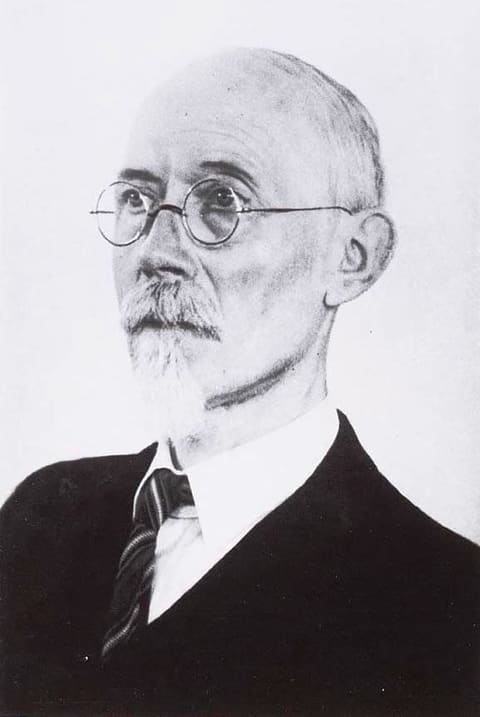
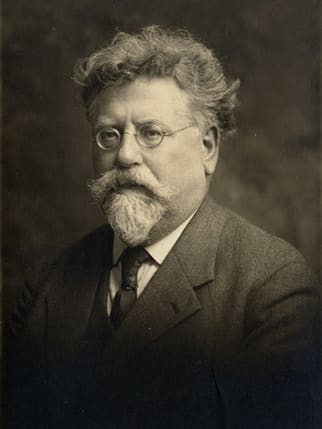
A Dutch astronomer and Marxist, Pannekoek championed workers' councils and the self-organization of the masses, criticizing both reformist parliamentarism and the centralism of vanguard communist parties.
Closest, by dimension
Other compatible profiles
The most distant
Reference country

The revolutionary government that held Paris for 72 days in 1871, the Commune established direct democracy with recallable mandates, workers' self-management of workshops, separation of Church and state, and equal pay, becoming a symbol of communal socialism.
Other close countries
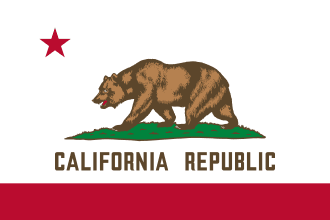
The most populous US state, California is a global hub of technology and culture, with strongly progressive, environmentalist, and technocratic politics and a gigantic, innovative market economy.
Also close, by dimension

The most distant
The revolutionary government that held Paris for 72 days in 1871, the Commune established direct democracy with recallable mandates, workers' self-management of workshops, separation of Church and state, and equal pay, becoming a symbol of communal socialism.
Also close, by dimension

The most distant
Ideological proximity
Closest within Radical Left
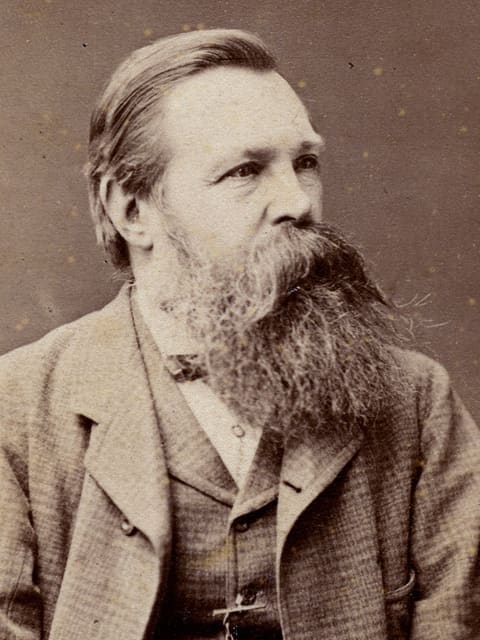
Marx's original doctrine, analyzing history as class struggle and predicting capitalism's overcoming through proletarian revolution, with abolition of private ownership of the means of production and strong criticism of religion.
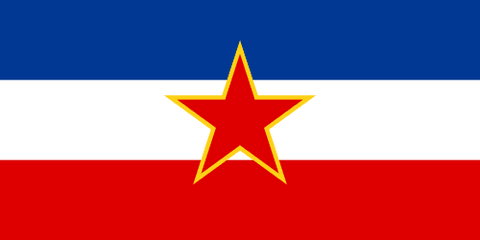
Variant of socialism developed in Tito's Yugoslavia, combining single-party rule and a cult of the leader with workers' self-management of enterprises, federal decentralization, market openness, and non-alignment between the Cold War blocs.
Model of a federation of socialist republics under a vanguard party, as in Lenin's USSR, combining a planned economy and single-party rule with national autonomy, local languages and cultures, and federated republics with a formal right to secede.
Closest in other spectrums
Synthesis of anarchist currents centered on the liberation of body and identity, uniting the critique of patriarchy and of gender and sexuality norms with an openness to technology as a tool of emancipation, all under the rejection of the state, capitalism, and every imposed hierarchy.
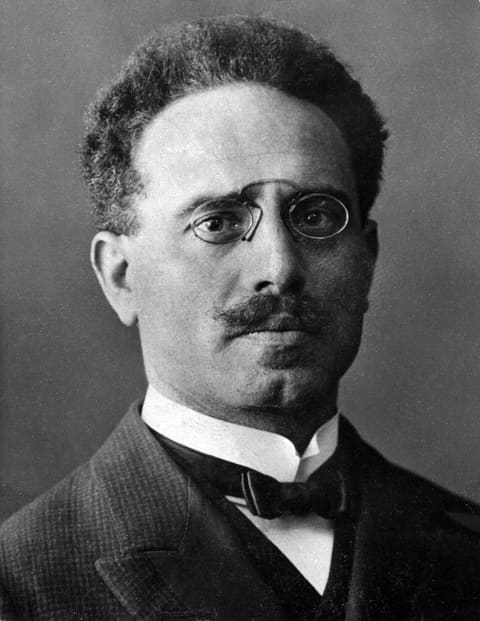
Democratic Marxism inspired by Rosa Luxemburg, which unites revolution and freedom, values the spontaneity of the masses and the general strike, and criticizes both reformism and the authoritarian centralism of vanguard parties.
Left-libertarian branch that unites broad individual freedom with collective or shared ownership of resources, defending autonomy, cooperation, and the rejection of both the authoritarian state and capital.
The most distant ideology
FeudalismFar-Right28%