Military leader

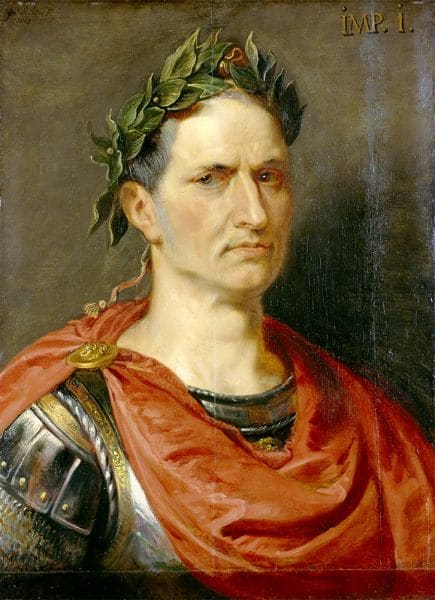
Julius Caesar

A Roman general and statesman, Caesar combined military prestige, popular reforms, and the concentration of personal authority, weakening the aristocratic republic and paving the way for imperial power in Rome.

100 a.C.–44 a.C.
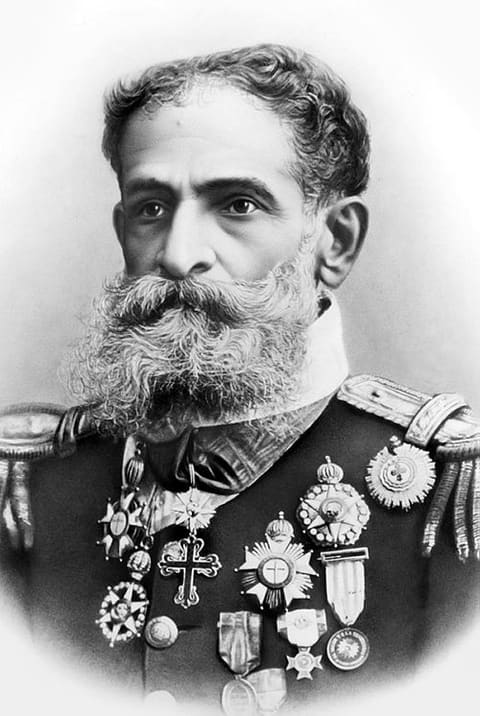
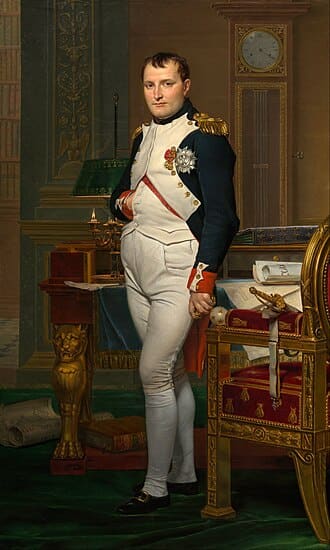
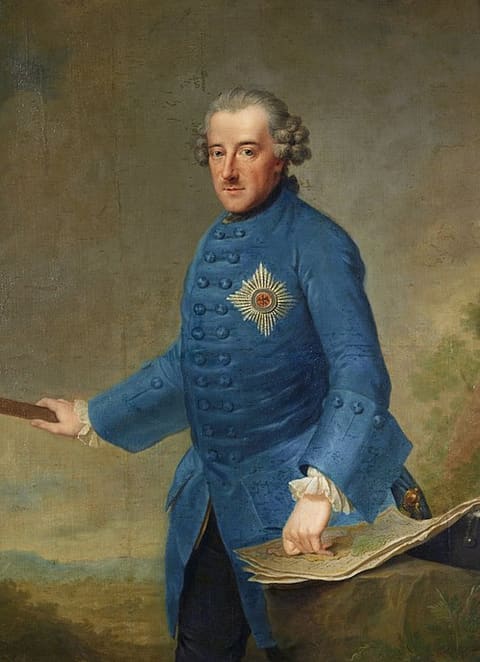
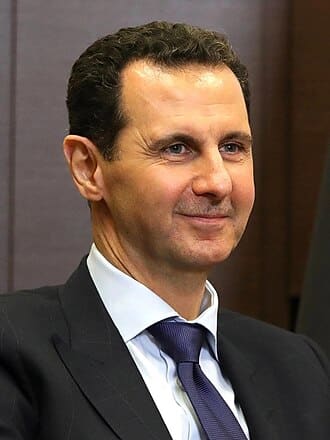
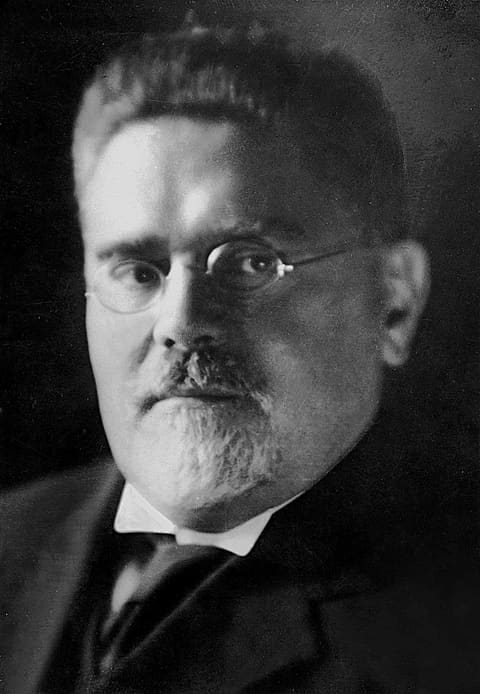
Portrait: Julius Caesar
Wikimedia Commons / Wikipédia

Profile across the 12 axes

How Julius Caesar positions on each of the 12 political dimensions measured by 12 Axes.

Structure

Strong - Unitary
Federal 16%
Unitary 84%

Representation

Leaning - Autocracy
Democracy 35%
Autocracy 65%

Power

Leaning - Security
Security 70%
Liberty 30%

Immigration

Leaning - Multiculturalism
Assimilation 41%
Multiculturalism 59%

Diplomacy

Very strong - Militarist
Militarist 89%
Pacifist 11%

Intervention

Strong - Nationalist
Non-interventionist 16%
Nationalist 84%

Economy

Leaning - Public
Public 68%
Private 33%

Control

Leaning - Planning
Planning 64%
Free market 36%

Trade

Leaning - Protectionism
Protectionism 66%
Globalism 34%

Religion

Balanced
Irreligious 50%
Religious 50%

Morality

Balanced
Progressive 51%
Traditionalist 49%

Technology

Strong - Technology
Technology 78%
Biology 23%

Where do you stand on the political spectrum?

Take the quiz and discover your compatibility with ideologies, countries, and personalities across the 12 axes.

Take the political test