Home / Personalities / Charles I of England

King of England, Scotland, and IrelandPolitics1600–1649

Charles I of England

The Stuart king defended royal prerogative and the divine right of monarchs. His conflicts with Parliament over taxes and authority, alongside his attempt to impose Anglican practices in Scotland, contributed to the Wars of the Three Kingdoms and his execution in 1649.

Closest spectrum
Third Position
Closest ideology
Brazilian Integralism
Closest personality
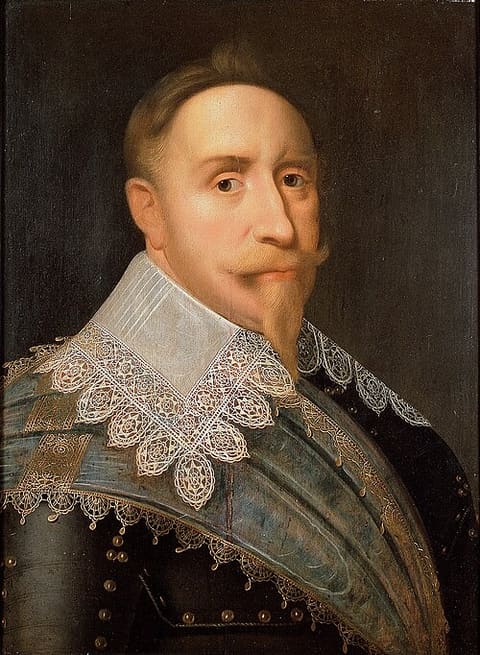
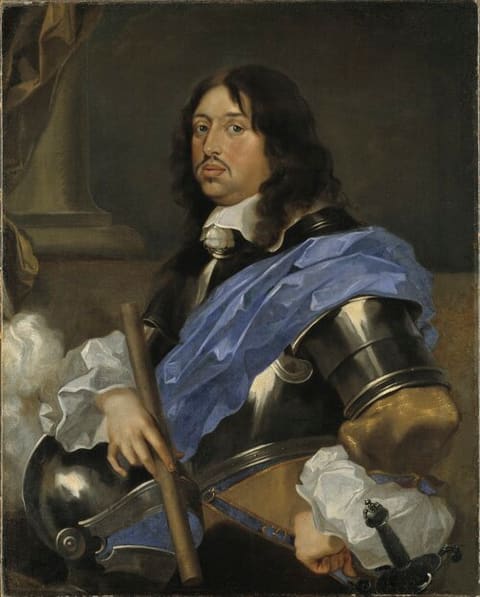
Gustavus Adolphus
Portrait of Charles I of England
Wikimedia Commons

Political axes

Profile across the 12 axes

  • Structure

    Leaning · Unitary
    Federal38%
    Unitary62%
  • Representation

    Very strong · Autocracy
    Democracy11%
    Autocracy89%
  • Power

    Strong · Security
    Security87%
    Liberty13%
  • Immigration

    Leaning · Assimilation
    Assimilation59%
    Multiculturalism41%
  • Diplomacy

    Leaning · Militarist
    Militarist72%
    Pacifist28%
  • Intervention

    Strong · Nationalist
    Non-interventionist26%
    Nationalist74%
  • Economy

    Leaning · Private
    Public36%
    Private64%
  • Control

    Strong · Planning
    Planning77%
    Free market23%
  • Trade

    Leaning · Protectionism
    Protectionism67%
    Globalism33%
  • Religion

    Very strong · Religious
    Irreligious3%
    Religious97%
  • Morality

    Strong · Traditionalist
    Progressive15%
    Traditionalist85%
  • Technology

    Leaning · Technology
    Technology60%
    Biology41%

What sets Charles I of England apart

Most unusual position

Religion

Charles I of England leans further toward religious than 96% of the 444 personalities in the catalog.

Personality median 49Charles I of England 3

Of all the axes, Religion is where Charles I of England stands furthest from the rest.

Most common position

Technology

On Technology, Charles I of England sits practically at the catalog median.

Personality median 59Charles I of England 60

Here they share common ground with most personalities.