Eurocommunism
A 1970s Western European communist current that sought a national path to socialism through elections, party pluralism and civil liberties, independent of Moscow, with a mixed economy under democratic planning.
Home / Ideologies / Eurocommunism
A 1970s Western European communist current that sought a national path to socialism through elections, party pluralism and civil liberties, independent of Moscow, with a mixed economy under democratic planning.
In one sentence
I want to build socialism through elections and pluralism, with civil liberties, national autonomy and democratic economic planning.
Political axes
Leans further toward democracy than 100% of the 257 ideologies in the catalog.
Of all the axes, Representation is where it stands furthest from the rest.
On Trade, it sits practically at the catalog median.
Here it shares common ground with most ideologies.
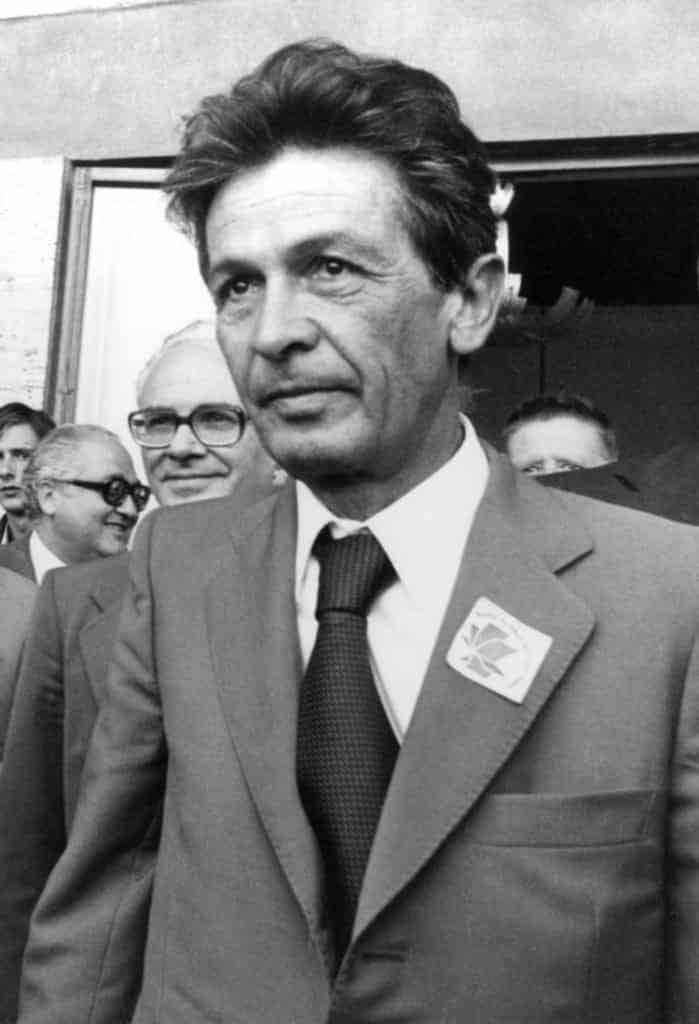
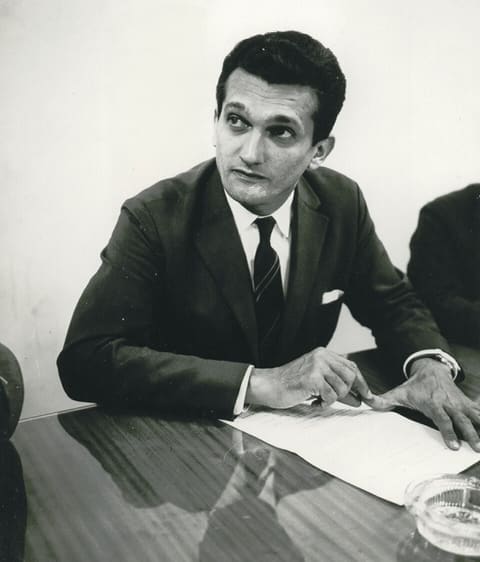
As leader of the Italian Communist Party, Berlinguer advocated a democratic, pluralist path to socialism, distanced himself from the Soviet model, and proposed the Historic Compromise with Christian Democrats.
Closest, by dimension



Other compatible profiles


The most distant
Reference country
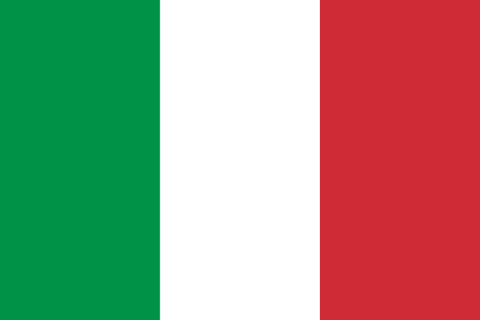
A Mediterranean parliamentary republic, Italy unites a long cultural heritage, a diversified market economy, and unstable, fragmented politics, with the recent rise of conservative and nationalist forces.
Other close countries
A constituent country of the United Kingdom, Scotland has its own parliament, a distinct national identity and language, a strong independence movement (2014 referendum), and social-democratic politics further left than England's.
Also close, by dimension
The most distant
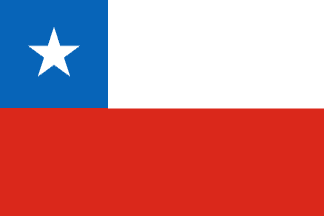
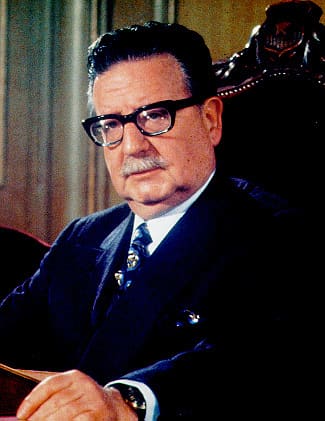
Under Allende's Popular Unity, Chile attempted democratic socialism through copper and bank nationalization, agrarian reform, and economic planning until the 1973 military coup.
Also close, by dimension

The most distant
Ideological proximity
Closest within Left
Current that advocates social reforms and the expansion of rights to promote equality and justice, trusting progress, science, and collective action to transform institutions and overcome inequalities.
System in which collectively or publicly owned enterprises compete in markets, uniting the efficiency of competition with the socialist distribution of profits, without the rigid central planning of state economies.
Movement dedicated to protecting the environment and the sustainable use of resources, advocating policies against pollution and climate change and harmony between human development and ecological balance.
Closest in other spectrums
Political tradition that values popular sovereignty, civic virtue, and the rule of law, defending citizens' self-government, the separation of powers, and protection against tyranny and the corruption of power.
Nationalism based on citizenship and shared values rather than ethnicity, defining the nation by adherence to common laws and institutions, open to all who accept its democratic and civic principles.
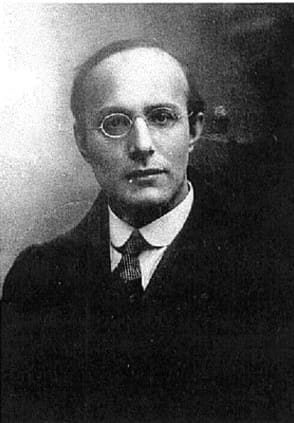
An anti-Leninist Marxist current of Pannekoek, Gorter and Mattick, which holds that workers themselves should run production and power through workers' councils, rejecting the vanguard party, the state and parliamentarism.
The most distant ideology
Authoritarian NeoliberalismRight27%