Direct Democracy
A system in which citizens decide laws directly through referendums, popular initiatives, assemblies and recall of officials, instead of delegating to representatives, as in the Swiss cantons and classical Athens.
Home / Ideologies / Direct Democracy
A system in which citizens decide laws directly through referendums, popular initiatives, assemblies and recall of officials, instead of delegating to representatives, as in the Swiss cantons and classical Athens.
In one sentence
I want citizens to decide laws through referendums, popular initiatives and recall of officials, with power decentralized to municipalities and cantons.
Political axes
Leans further toward federal than 77% of the 248 ideologies in the catalog.
Of all the axes, Structure is where it stands furthest from the rest.
On Religion, it sits practically at the catalog median.
Here it shares common ground with most ideologies.

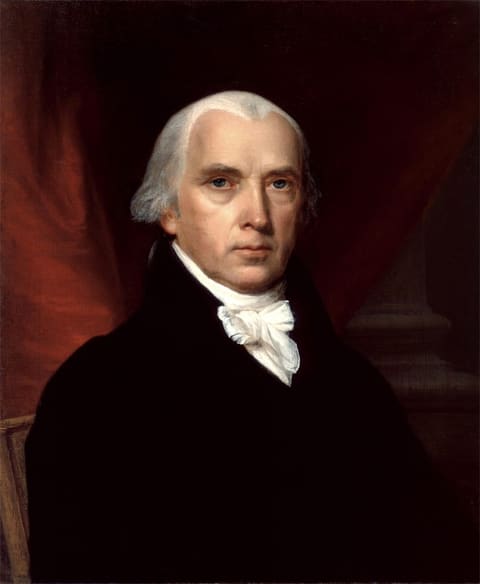
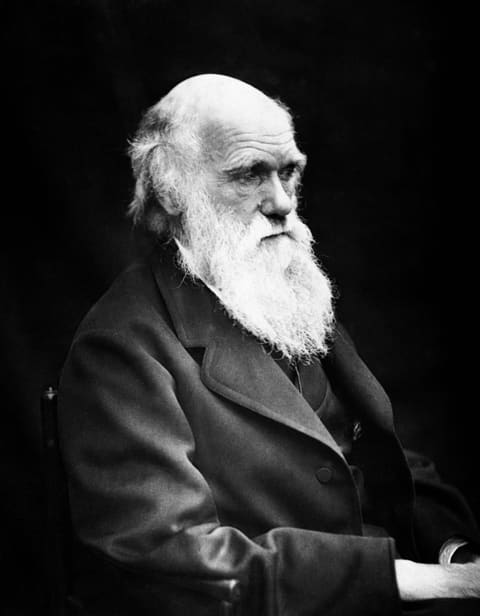
Author of the Declaration of Independence and third US president, Jefferson championed an agrarian republic of small landowners, limited and decentralized government, religious freedom, and distrust of banks, armies, and cities.
Closest, by dimension


Other compatible profiles




The most distant
Reference country

A European federal confederation, Switzerland is known for its direct democracy, strong cantonal autonomy, historic neutrality, and a prosperous economy based on finance, precision industry, and institutional stability.
Other close countries
A European federal confederation, Switzerland is known for its direct democracy, strong cantonal autonomy, historic neutrality, and a prosperous economy based on finance, precision industry, and institutional stability.
Also close, by dimension
The most distant

Medieval alliance of autonomous cantons formed from the 1291 Pact, the Old Swiss Confederacy operated without a strong central power, combining direct democracy in local assemblies (Landsgemeinde), independent peasant militias, and weak joint military/diplomatic coordination among the cantons.
Also close, by dimension


The most distant
Ideological proximity
Closest within Center
Doctrine that organizes the state through a constitutional division of power between a central government and autonomous regional units, such as cantons or states, with their own competencies, independent courts, and mutual checks against excessive concentration of power.
Political tradition that values popular sovereignty, civic virtue, and the rule of law, defending citizens' self-government, the separation of powers, and protection against tyranny and the corruption of power.
Current that unites individual freedom, markets, and democracy with the ecological agenda, defending sustainability, rights, and innovation to reconcile economic prosperity with effective environmental protection.
Closest in other spectrums
Republican tradition that idealizes the small landowning farmer as the basis of civic virtue and liberty, advocating wide distribution of land, limited and decentralized government, and distrust of banks, public debt, industry and large cities.
Branch that combines individual freedoms with strong state action to guarantee welfare, education, and healthcare, defending equal opportunity and social security within the market economy.
Liberal current that accepts an active role for the state in the economy and in guaranteeing rights, combining individual freedoms and markets with regulation and public policies aimed at the collective good and equality.
The most distant ideology
Clerical FascismThird Position29%