Islamic Socialism
Current grounding socialism in Islamic principles such as zakat, the ban on usury and Quranic social justice, combining anti-imperialism with a state-run economy, from Gaddafi's Third Universal Theory to Ali Shariati's thought.
Home / Ideologies / Islamic Socialism
Current grounding socialism in Islamic principles such as zakat, the ban on usury and Quranic social justice, combining anti-imperialism with a state-run economy, from Gaddafi's Third Universal Theory to Ali Shariati's thought.
In one sentence
I want Quranic justice: the land belongs to God, zakat shares the wealth and the state runs the economy against usury and imperialism.
Political axes
Leans further toward religious than 95% of the 248 ideologies in the catalog.
Of all the axes, Religion is where it stands furthest from the rest.
On Immigration, it sits close to the catalog median.
Here it shares common ground with most ideologies.
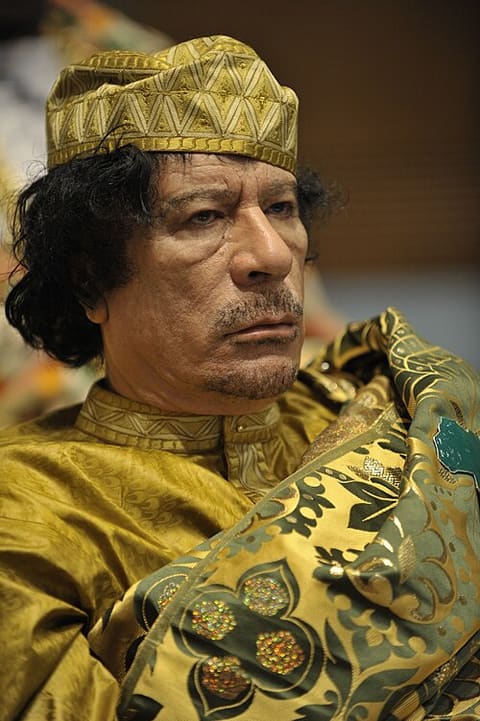
Leader of Libya for over four decades after the 1969 coup, Gaddafi established a "Jamahiriya" of theoretical direct democracy under de facto authoritarian control, nationalized oil, funded pan-Africanist and third-worldist movements, and was deposed and killed during the 2011 civil war.
Closest, by dimension
Other compatible profiles

The most distant
Reference country

Under Muammar Gaddafi (1969–2011), Libya nationalized oil and proclaimed the Jamahiriya's direct democracy. Power remained concentrated in Gaddafi, backed by revolutionary committees and repression of the opposition.
Other close countries
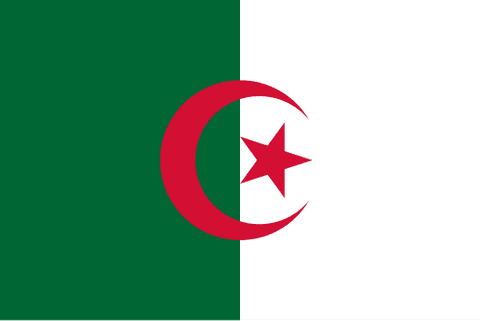
Born from the war of independence against France, Algeria is an army-dominated republic with Islam as the state religion, a state-run economy dependent on oil and gas, a non-aligned foreign policy and repression of the Hirak movement.
Also close, by dimension
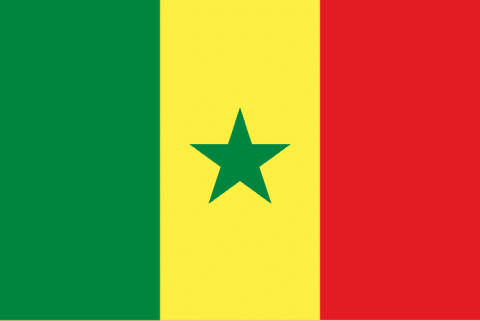
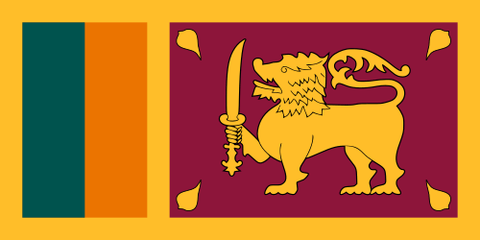
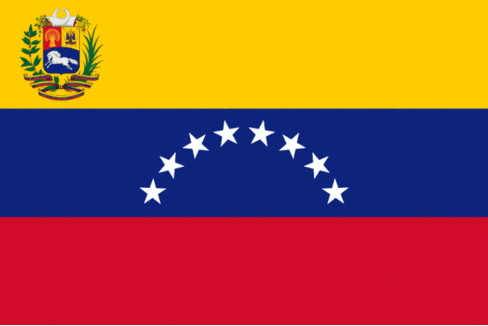
The most distant
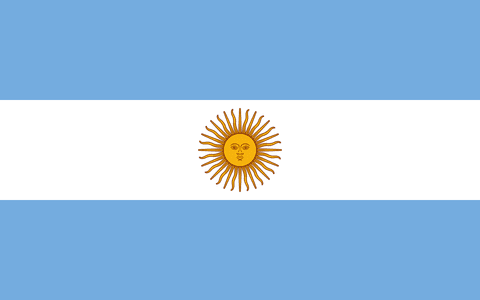
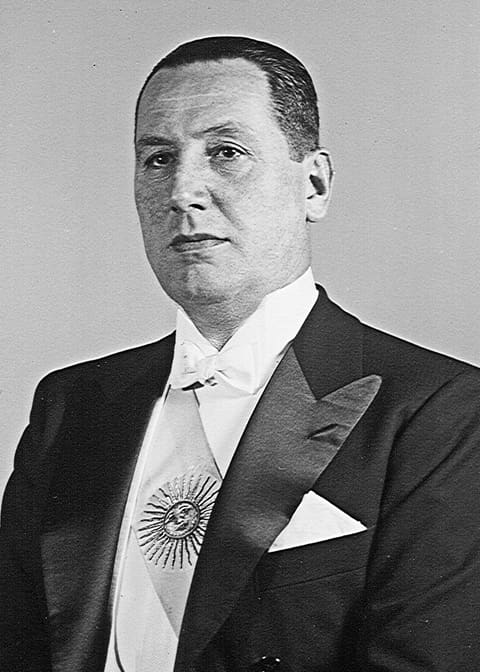
Under Perón, Argentina experienced a populist, nationalist regime that united strong working-class support, corporatism, industrialization, and the expansion of social rights, leaving a lasting mark on the country's politics.
Also close, by dimension

The most distant
Ideological proximity
Closest within Third Position
Current that unites a socialist economy with traditional values, defending social protection and a strong state role alongside family, order, and customs, far from the cultural progressivism of liberal lefts.
Justicialist doctrine of Juan and Eva Perón uniting political sovereignty, economic independence and social justice, with CGT unions, nationalizations, protected industrialization, social Catholicism and a charismatic leader above parties.
Model that organizes society into corporations of workers and employers integrated into the state, seeking harmony between classes and directed economic cooperation instead of conflict or free competition.
Closest in other spectrums
Current that joins a state-run socialist economy and a strong party with patriotism, the traditional family, religion as national heritage and rejection of cultural progressivism, seeing identity politics as a liberal distraction from class struggle.
A current fusing ethnic identity and Theravada Buddhist faith, seeing the nation as guardian of the Dharma threatened by minorities, as in Sinhalese nationalism in Sri Lanka and the Ma Ba Tha and 969 monk movements in Myanmar.
Political movement advocating a state governed by sharia and Islamic identity, born with Hassan al-Banna's and Sayyid Qutb's Muslim Brotherhood, combining mass activism, religious social welfare and rejection of Western secularism.
The most distant ideology
Crypto-AnarchismLibertarian26%