Islamic Democracy
Current reconciling Islam with electoral democracy through conservative religious parties that run in elections and support a market economy and Muslim values in public life, like Turkey's early AKP and Tunisia's Ennahda.
Home / Ideologies / Islamic Democracy
Current reconciling Islam with electoral democracy through conservative religious parties that run in elections and support a market economy and Muslim values in public life, like Turkey's early AKP and Tunisia's Ennahda.
In one sentence
I want a Muslim party that wins elections, protects family and faith in public life and makes the market economy grow.
Political axes
Leans further toward religious than 85% of the 248 ideologies in the catalog.
Of all the axes, Religion is where it stands furthest from the rest.
On Diplomacy, it sits practically at the catalog median.
Here it shares common ground with most ideologies.
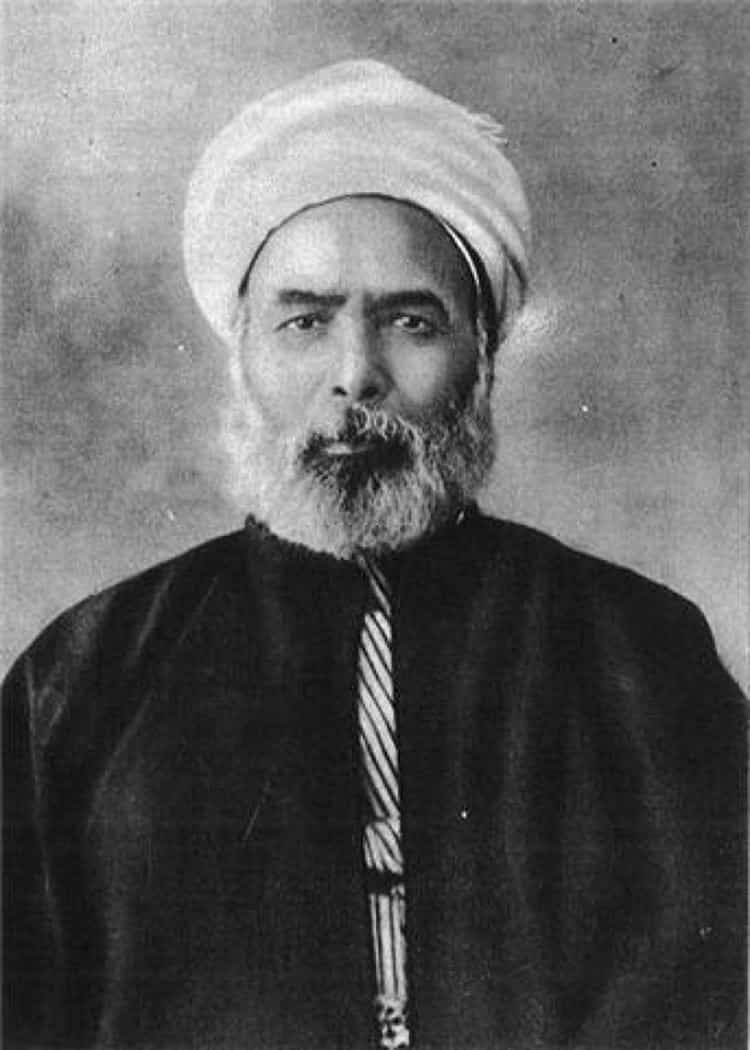
Grand Mufti of Egypt and father of Islamic modernism, Abduh argued for reinterpreting Islam through reason (ijtihad), reformed teaching at Al-Azhar and the religious courts, and opposed both clerical stagnation and British rule.
Closest, by dimension
Other compatible profiles


The most distant
Reference country
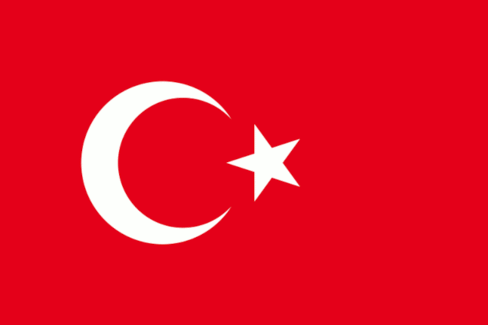
A presidential republic between Europe and Asia, Turkey combines electoral democracy with strong concentration of power, nationalism, religious conservatism, and an assertive foreign policy in the Middle East and the Mediterranean.
Other close countries

A semi-presidential republic in the Caucasus, Georgia pursues integration with the European Union and NATO, maintains an open market economy, and faces Russian occupation of Abkhazia and South Ossetia since 2008.
Also close, by dimension
The most distant
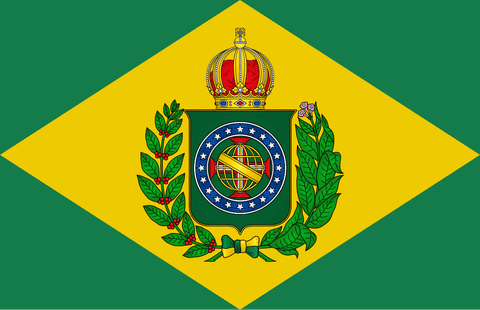
The only long-lasting empire in the Americas, imperial Brazil was a parliamentary monarchy under Pedro I and Pedro II, marked by political stability, a slave-based agrarian economy, and strong state centralization.
Also close, by dimension

The most distant
Ideological proximity
Closest within Right
Pragmatic branch that prioritizes fiscal adjustment, economic stability, and governability through broad coalitions, accepting market reforms and political concessions in the name of short- and medium-term results.
Current that grounds politics in Christian morality and tradition, defending family, life, and religious values within democracy, with emphasis on preserving the people's customs and cultural heritage.
Synthesis that unites free markets and economic freedoms with the appreciation of tradition, order, and institutions, defending prudent change and social stability within the framework of liberal democracy.
Closest in other spectrums
Centrist branch that combines economic moderation and institutional respect with social conservatism, valuing family, religion, order, and gradual change without joining the authoritarian right or populist radicalism.
The East Asian Tiger model (Singapore, South Korea, Taiwan, Hong Kong): champions free markets, foreign trade and private enterprise as engines of growth, paired with an active technocratic state that plans infrastructure, education and strategic industrialization, stopping short of closed protectionism or hard authoritarian control.
Centrist current that applies Christian values to democratic politics, defending the social market economy, family, solidarity, and the common good as the foundation of free and pluralist institutions.
The most distant ideology
CommunalismAnarchist34%